Check a used car's VIN by comparing the number on the vehicle with its title and registration, decoding it through an official resource, reviewing title and history records, and checking open recalls. If the identity does not match consistently, stop before paying. A reassuring report is useful, but it cannot replace a physical inspection or verify every detail of a seller's story.
Do these checks before a deposit whenever possible. The VIN is the starting point for identifying the car and searching records about it. It is not a certificate that the vehicle is mechanically sound, free of hidden damage, or legally transferable in every situation.
What is a VIN?
A vehicle identification number identifies a particular vehicle. Modern U.S.-market vehicles generally use a 17-character VIN; older vehicles and some unusual imports can require different research. Do not force an older identification number into a modern decoder and assume an error proves fraud.
For a typical modern used car, record the full number carefully. Photograph it with the seller's permission and compare each character. A mistyped character can produce an irrelevant report, an error, or confusing results that waste time.
The VIN can help identify encoded manufacturing information, including model year and vehicle characteristics. It does not directly contain the car's accident history, maintenance record, or current mileage. Those details come from separate records associated with the number.
Where to find the number
Windshield and dashboard
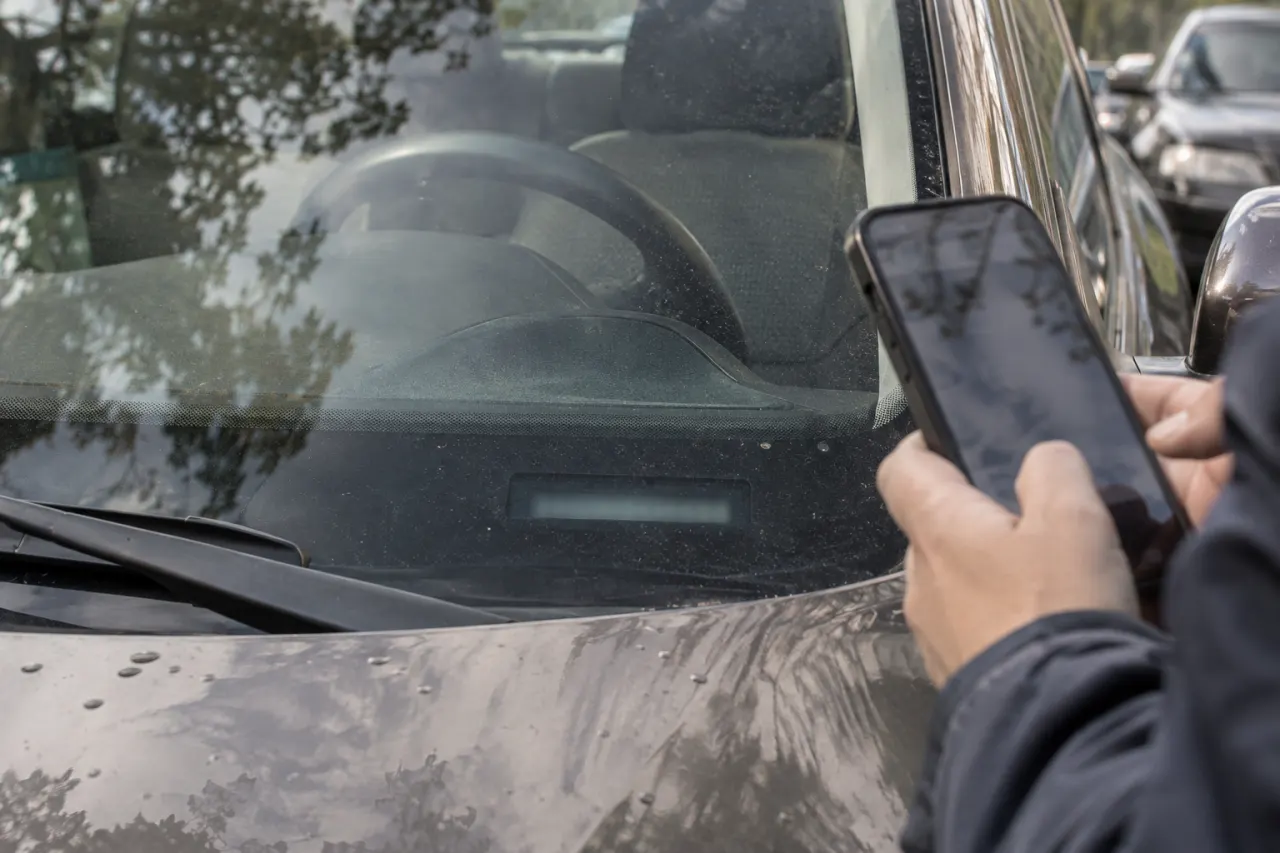
On many cars, the VIN is visible through the lower windshield on the driver's side. Check that the view is clear and that the surrounding area does not show unexplained disturbance. You do not need to remove trim or touch the plate.
A plate that is difficult to read is a reason to request another clear view, not a reason to accept a number sent separately without comparison. If there is a genuine visibility problem, ask an inspector or the appropriate authority how identity should be verified.
Driver's door jamb or certification label
Look for the manufacturer's label in the driver's door area. Placement varies, so use the owner's manual if needed. Compare the VIN here with the windshield number and note any label damage or evidence of replacement.
A replacement door or repaired body area can have an explanation, but the explanation needs evidence. Missing or altered labels should be investigated professionally. Do not scrape, peel, or attempt to restore identification markings yourself.
Title, registration, and other records
Compare the vehicle with the title and current registration where available. Check service invoices and history reports too. An invoice with a different VIN may belong to another car, even if the make and model match.
The seller's name and authority to transfer the title also matter. Matching numbers do not resolve an outstanding lien or establish that the person holding the keys is entitled to sell. Confirm the transfer process with the relevant state authority and lender where necessary.
Step 1: get the VIN before traveling
Ask the seller for the full VIN, current mileage, title status, and clear vehicle photographs. A seller may reasonably protect personal details on documents, but the vehicle identity should be available for legitimate due diligence.
Keep your search independent. Do not follow a seller's demand to buy a report from an unfamiliar website as the only acceptable source. Use known official resources and established providers reached through addresses you verify yourself.
If the seller sends a report, confirm its date and VIN. An old report may predate later damage or title changes. A screenshot showing only a favorable summary is less informative than a complete, current report you obtain independently.
Step 2: use NHTSA's VIN decoder
The NHTSA vPIC VIN decoder can help identify information encoded in a VIN. Compare the result with the car being offered: model year, manufacturer, body type, and other available characteristics.
Treat discrepancies as questions to resolve. Trim and equipment details are not always fully represented, and decoding results depend on available manufacturer information. Confirm important features through the vehicle, manufacturer records, or an appropriate dealer rather than relying on a single field.
A successful decode does not prove that the plate belongs to the physical car in front of you. That is why matching locations, documents, history, and inspection findings all matter.
Step 3: review title and loss history
The National Motor Vehicle Title Information System consumer page explains how to access reports through approved providers. These records can help identify reported title brands, odometer information, and certain loss or salvage events.
Review the chronology rather than only the summary label. Note states, dates, mileage entries, and any brands or loss reports. Ask why ownership changes or location changes appear inconsistent with the seller's account, while allowing for ordinary moves and reporting delays.
NMVTIS and commercial reports do not provide identical coverage. Understand what a chosen report includes and what it excludes. A “no record” result does not mean that an event never happened, and incomplete or delayed reporting can leave gaps.
Step 4: check accidents, floods, and service clues
A commercial vehicle history report may include reported accidents, service visits, ownership changes, or other events beyond title records. Read the descriptions and dates closely. Do not translate a vague accident entry into a precise diagnosis of severity.
Ask for supporting repair invoices and photographs when damage is reported. Look for consistency between the damaged area described, the repair documents, and what an inspector observes. A polished appearance cannot establish that structural work or safety-system repairs were completed correctly.
For moisture-related concerns, use the flood-damage guide and ask a mechanic to inspect protected areas and relevant systems. Flood reports are important, but the absence of a flood entry cannot rule out water exposure.
Step 5: check theft-related records and ownership
Some resources and reports provide theft-related information, but coverage varies. Read the provider's scope and limitations. A negative search is not proof that a vehicle has never been stolen or that the current transaction is legitimate.
Compare the seller's identity and authority with the title documents. If a VIN appears altered, the story is inconsistent, or a theft concern emerges, do not try to investigate through confrontation. Stop the purchase and seek guidance from the appropriate title authority or law enforcement.
Avoid paying while a serious identity question is unresolved. A refundable promise or discount does not make it easier to recover funds if ownership cannot be established.
Step 6: check recalls separately
Use NHTSA's official recall lookup for the exact VIN. This is a different task from decoding the number or obtaining a vehicle history report. Read the result and the tool's coverage notes carefully.
If an open recall appears, ask a manufacturer-authorized service provider about the repair, parts availability, and any use restrictions or interim instructions. Confirm completed work through appropriate records rather than accepting an unsupported verbal statement.
A lookup without an open recall does not establish the vehicle's overall condition. Manufacturer service campaigns, completed recalls, older records, and other information may require separate follow-up. Check again near purchase because recall information can change.
Step 7: look for odometer inconsistencies
Arrange dated mileage entries in order and compare them with the current odometer. A declining reading, unusual gap, or unexplained replacement cluster deserves investigation. Also look at the units used: miles and kilometers can create confusion if records are mixed.
Ask for service documentation and any replacement records. Wear on pedals or seats can provide context, but it cannot prove a precise mileage. A heavily used interior and low displayed mileage are a reason to investigate, not a mathematical test of fraud.
Used Car Buying Checklist helps connect history research with the physical examination. Let your inspector know which entries concern you so the assessment can focus on relevant evidence.
VIN-cloning warning signs
VIN cloning involves using another vehicle's identity to conceal the identity or history of the car being sold. A cloned number may decode correctly and produce a reassuring report because the records belong to a different vehicle.
Warning signs that deserve professional investigation include:
- VINs that differ between the dashboard, label, and documents.
- Identification plates or labels with unexplained alteration.
- A decoded vehicle that does not match the car's basic characteristics.
- Conflicting location or mileage records that the seller cannot explain.
- An unusually attractive price combined with pressure and weak documentation.
- A seller who will not allow reasonable identity and inspection checks.
No single sign proves cloning. The practical response is to pause and verify through appropriate professionals, rather than treating a good report as an answer to visible identity problems.
Keep a compact evidence file
Save the listing, seller messages, VIN photographs, report dates, title information, recall result, and inspection findings. Record which questions remain unanswered. This prevents details from being lost between the initial message and the final handover.
Keep personal information secure and avoid sharing document images unnecessarily. When you request a title photograph, the seller can protect unrelated personal details while allowing you to verify the information needed for the transaction.
Be especially cautious about paying to reserve a car before the identity checks are complete. How to Avoid Used-Car Deposit Scams explains how pressure and unfamiliar payment requests can undermine an otherwise careful search.
Decide from several kinds of evidence
A VIN check is strongest when the physical identifiers, documents, reports, seller's account, and independent inspection agree. A gap in one source may be explainable; a pattern of contradictions is harder to dismiss.
When comparing used-car listings on DealsNonStop, obtain the VIN early and use the same sequence for each serious candidate. Complete the identity and title checks, investigate reported events, check recalls, and arrange an independent inspection before treating the vehicle as ready to buy.
Sources and further reading
Official resources checked November 7, 2026: NHTSA VIN decoder, NHTSA recall lookup and limitations, NMVTIS consumer guidance, and FTC used-car advice. Recheck current tools and state transfer requirements at purchase time.
Related reading: What Does a Salvage Title Mean?.